
Rain Icon NABMA-2

APPMG Calls for Action on Weather Forecasting Following Joint Work with Visitor Attractions and the Met Office

The All-Party Parliamentary Markets Group (APPMG) has launched a new strand of policy work examining the impact of weather forecasting on markets, visitor attractions and the wider outdoor economy, following engagement with leading national attractions, including Rob Comley and colleagues at Chester Zoo, tourism organisations, and representatives of the Met Office.

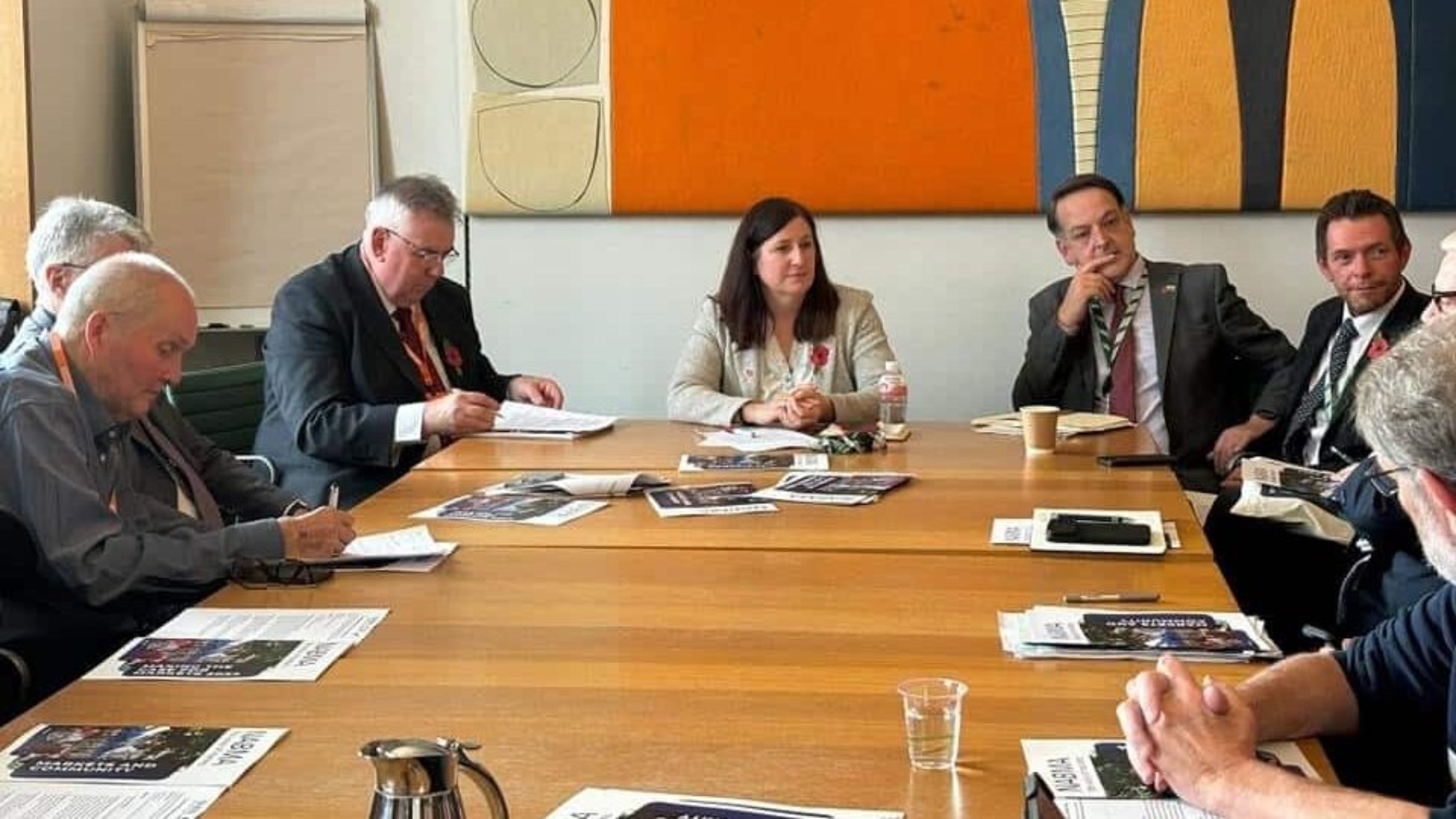
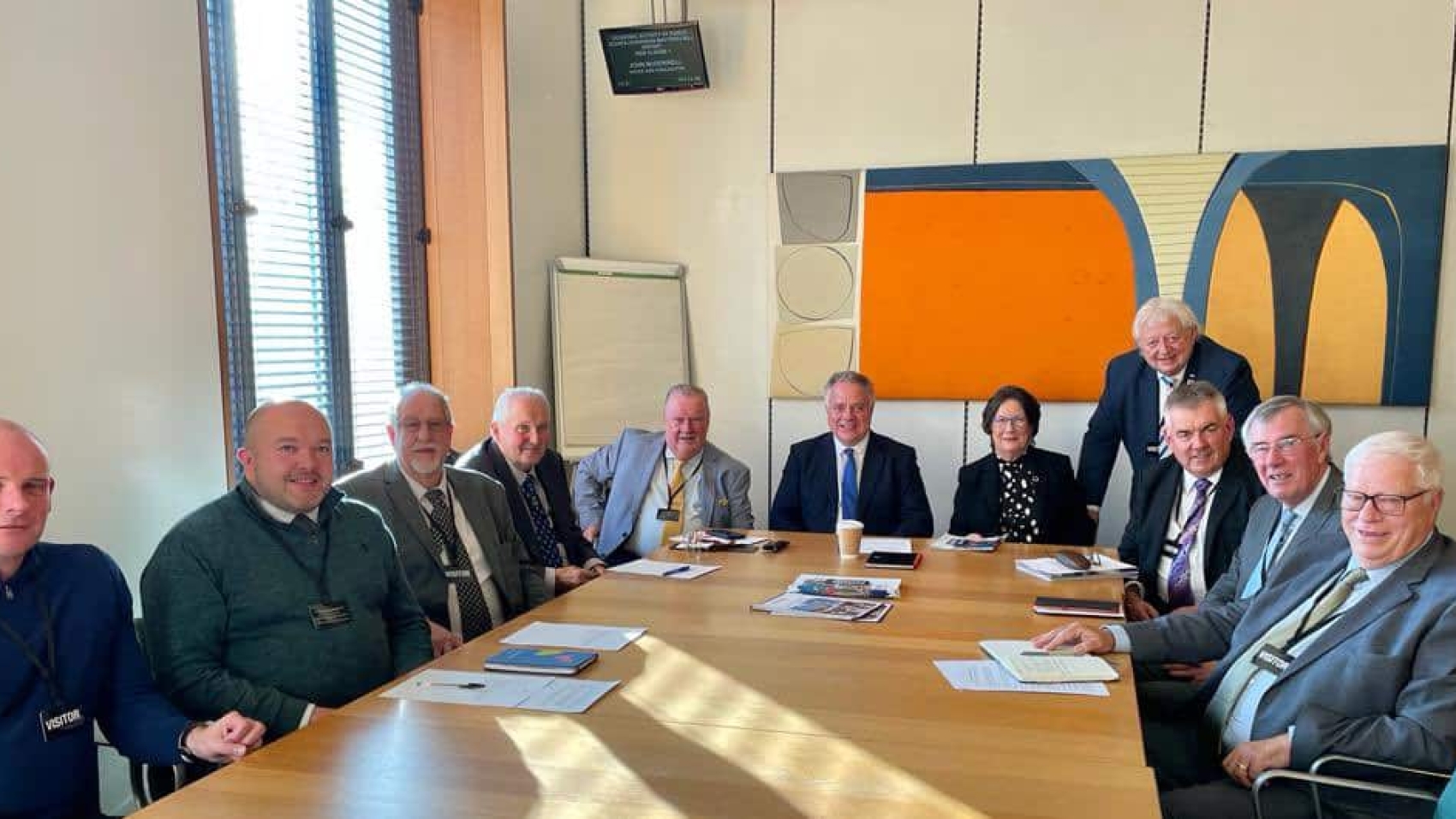
The issue was formally raised at the recent meeting of the All-Party Parliamentary Market Group Meeting, where parliamentarians, market industry representatives and sector stakeholders considered growing evidence that inaccurate or overly simplified weather forecasts can significantly influence visitor behaviour, leading to reduced footfall, lost income and cancelled events.

The APPMG’s involvement follows work initiated by Chester Zoo, which has been bringing together visitor attractions, tourism bodies, government representatives and technology providers to examine the relationship between weather forecasting and consumer decision-making. In correspondence with NABMA, Chester Zoo highlighted ongoing discussions with the Met Office, DCMS and app developers and invited wider outdoor economy sectors to contribute evidence and support solutions.

Recognising that local markets face many of the same challenges as visitor attractions, NABMA brought the issue to parliament through the APPMG. Markets, outdoor traders, food festivals and community events remain highly dependent on public confidence in weather conditions. Even when adverse weather is forecast for only a small part of the day, simplified forecast summaries can often create the impression that an entire day will be unsuitable for outdoor activity.

During the APPMG discussion, members highlighted concerns that forecasting practices can unintentionally create economic consequences for markets, town centres and visitor destinations. The Group acknowledged that climate change is increasing the frequency of extreme and unpredictable weather conditions, making the accuracy and presentation of forecasts more important than ever for supporting economic resilience and protecting public confidence.

As a result of the discussion, the APPMG agreed to draft a letter to Ministers seeking greater attention to the issue. The proposed correspondence, supported by NABMA, the National Market Traders Federation (NMTF) and the APPMG, calls for a review of how weather information is presented through digital platforms and mobile applications. It also seeks closer collaboration between the Met Office, government departments and outdoor economy sectors to ensure forecasting outputs better reflect real-world economic needs.

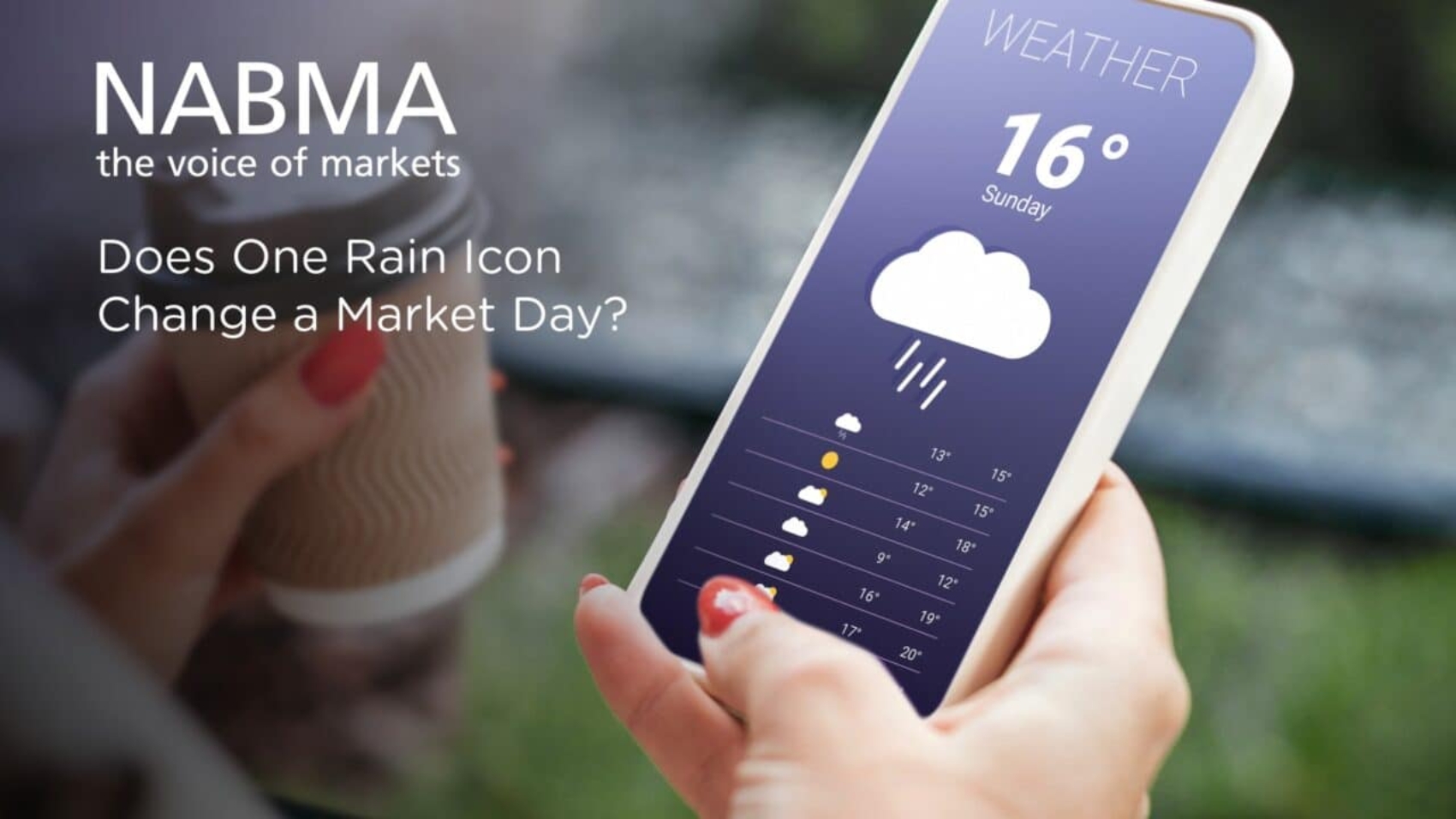
The APPMG’s position is not a challenge to the science behind weather forecasting. Instead, the Group is urging consideration of how forecasts are communicated to the public in an era where consumer decisions are increasingly shaped by simple weather icons and app notifications. Members believe that improving clarity and providing more granular information could help consumers make better-informed decisions while reducing unintended economic impacts on markets, tourism businesses and community events.

Parliamentary interest in the issue has been significant, with attendees joining the APPMG meeting specifically to contribute to this discussion before remaining for wider agenda items. Members agreed that the matter sits at the intersection of economic growth, climate resilience, high street vitality and support for small businesses.

Commenting on the initiative, the APPMG stated that:
“Markets, visitor attractions and outdoor events all rely on public confidence. If people believe the weather will be poor all day, many simply stay at home. The APPMG recognises that forecasting plays an important role in public safety, but we also need to understand the wider economic implications of how that information is presented. Working alongside partners such as Chester Zoo, tourism organisations, the NMTF and parliamentarians gives us an opportunity to ensure that forecasting supports both public decision-making and economic resilience.”

The APPMG will continue working with stakeholders across the visitor economy, including attractions, tourism bodies, government departments and industry representatives, to develop recommendations that support both accurate forecasting and the long-term sustainability of Britain’s markets, events and visitor destinations.

Barnsley APPMG

Barnsley Market visit to inform parliamentary inquiry into regeneration, health and community growth

Markets at the Heart of Britain’s High Street Future, Says APPMG

Markets are increasingly being recognised as critical assets in the regeneration of towns and cities across the UK, following the presentation of a major new report by David Catterall, Chief Executive of NABMA, to the All-Party Parliamentary Markets Group (APPMG). The report examined the extent to which markets are being used within regeneration schemes and highlighted their contribution to economic growth, social value, town centre vitality and long-term place-making outcomes.

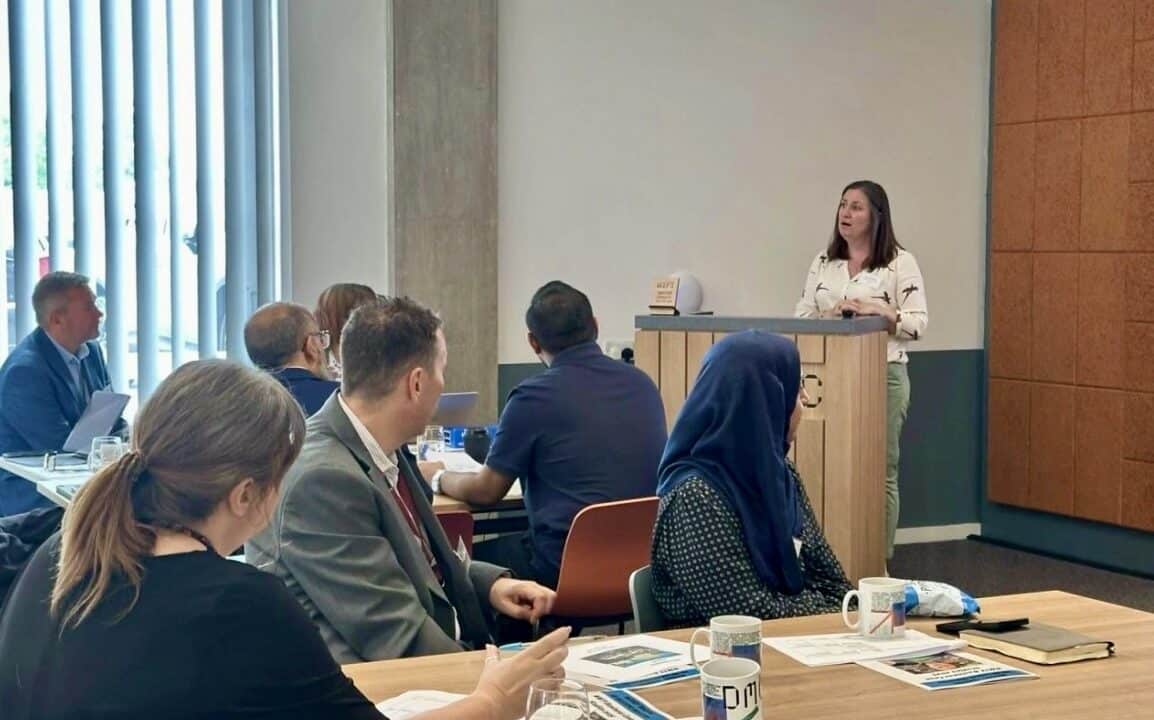
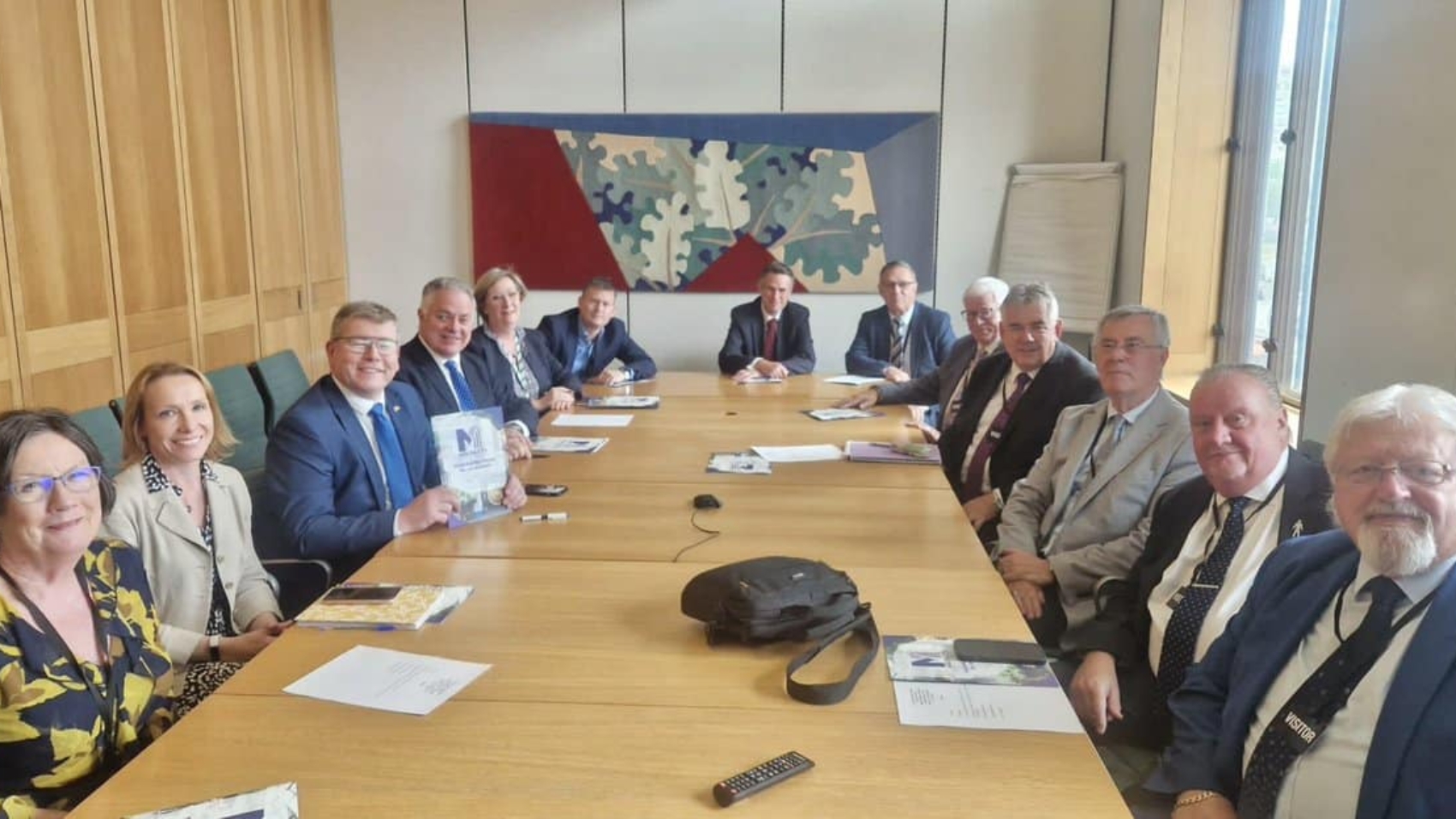
Presented at the June meeting of the APPMG, the report forms the basis of a light-touch parliamentary inquiry designed to strengthen the evidence base demonstrating that markets are fundamental components of thriving town centres and sustainable communities. Attendees from NABMA, the National Market Traders Federation (NMTF) and the Institute of Place Management (IPM) welcomed the findings and discussed how markets can play a central role within the Government’s emerging High Street Strategy and wider Pride in Place agenda.

The report builds on extensive work undertaken by NABMA over the past six months, including engagement with officials from MHCLG, collaboration with the Institute of Place Management and analysis of regeneration funding programmes across the country. Evidence gathered through the project has demonstrated significant levels of public investment in regeneration schemes where markets have been used as anchor institutions to stimulate economic activity, improve public spaces and increase town centre footfall.

A key theme emerging from the discussion was the changing nature of the high street. Members recognised that successful town centres are becoming increasingly multifunctional destinations, combining retail, culture, leisure, public services, health provision and community activity. Markets were identified as uniquely placed to support this transition because of their ability to attract diverse audiences, provide affordable business space and generate social value alongside economic benefits.

Attention was given to the growing “Health on the High Street” movement. The APPMG heard how market locations offer accessible and trusted environments where preventative healthcare services, public health campaigns, wellbeing programmes and community support initiatives can be delivered directly to residents. Barnsley’s award-winning approach was highlighted as a leading example of how markets can support health outcomes while simultaneously increasing footfall, occupancy and town centre activity.

The discussion also explored opportunities to engage Integrated Care Boards and investigate how health-related funding streams could support market-based health initiatives where measurable community outcomes can be demonstrated. Members agreed that this represents a significant opportunity to broaden the role of markets within future public policy.

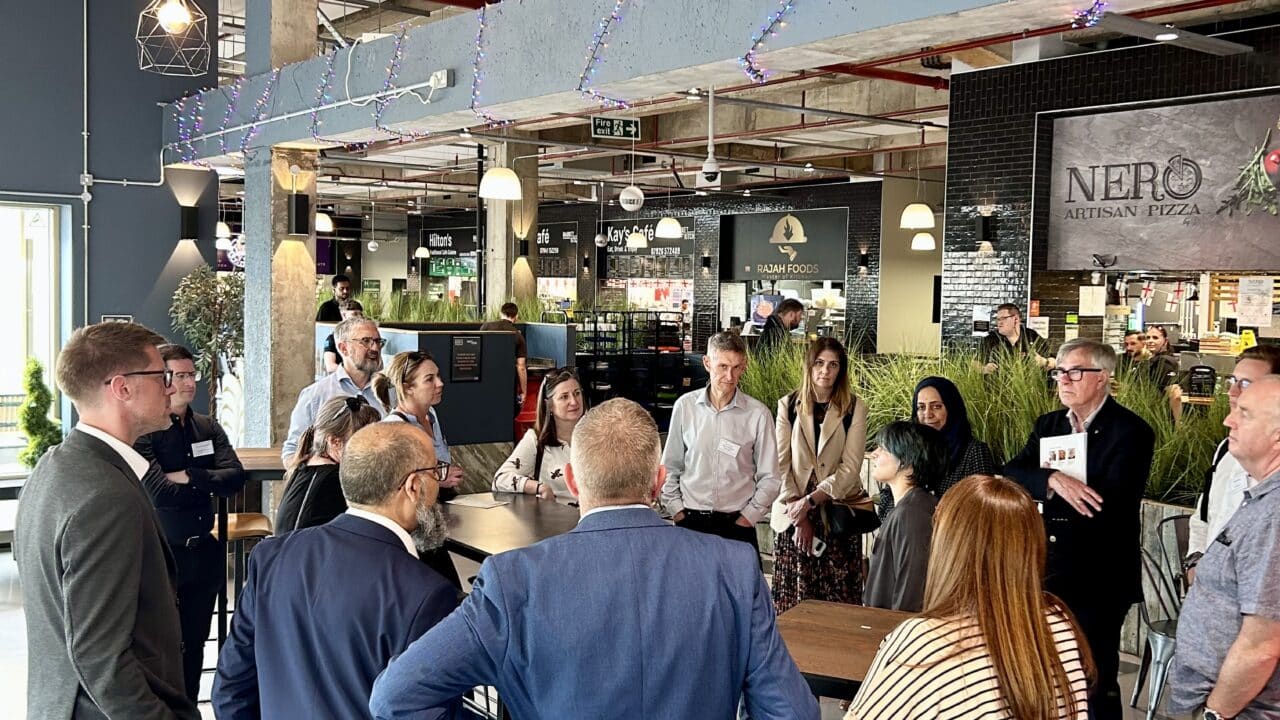
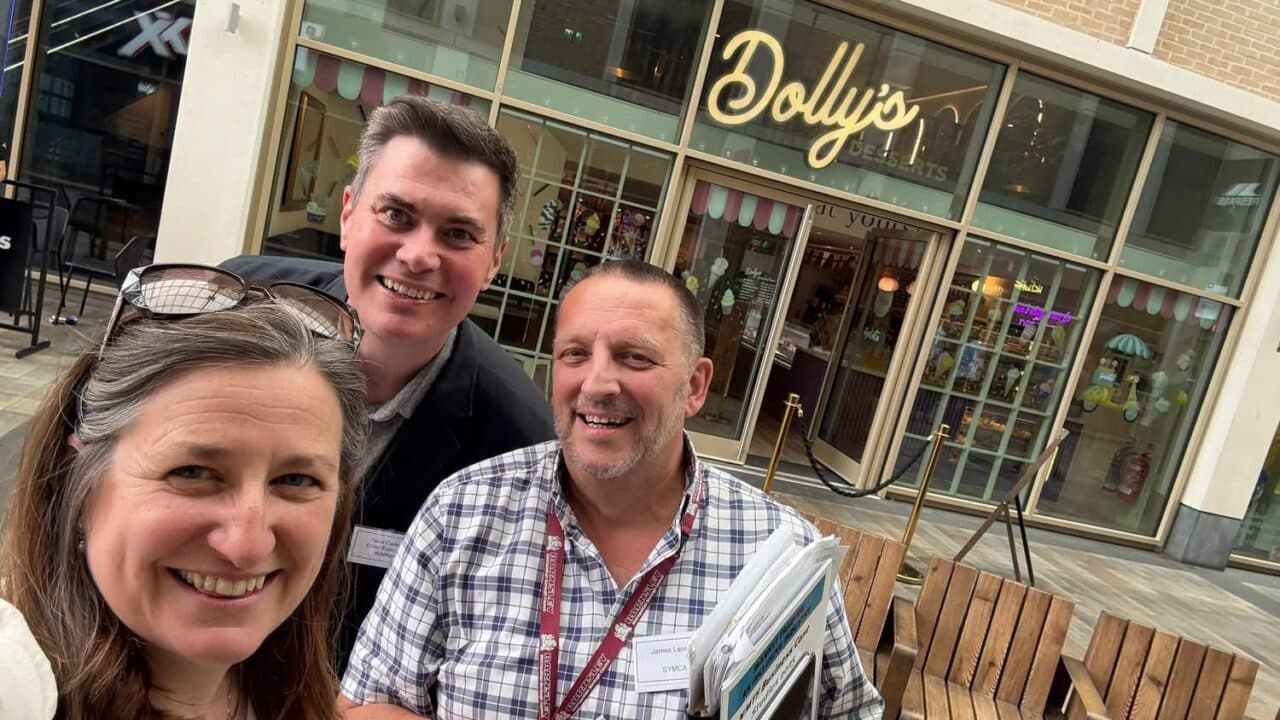
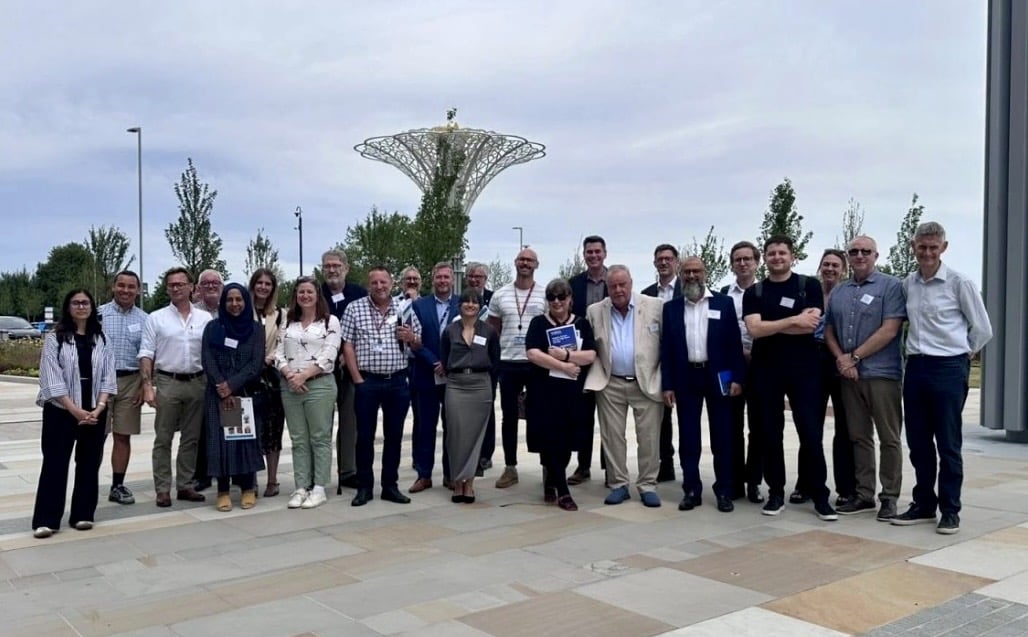
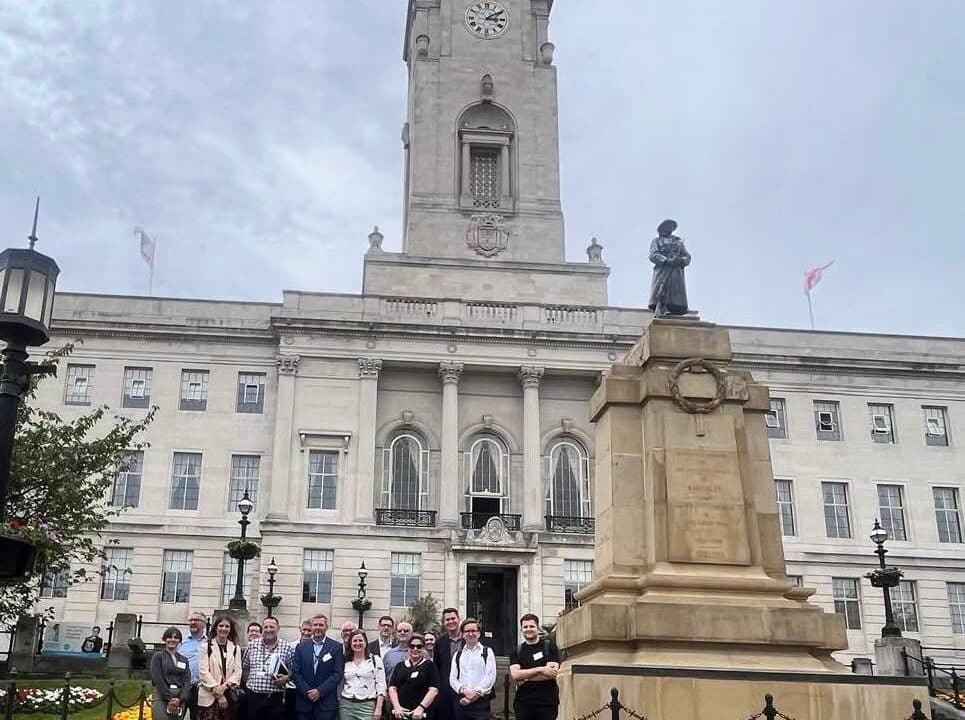
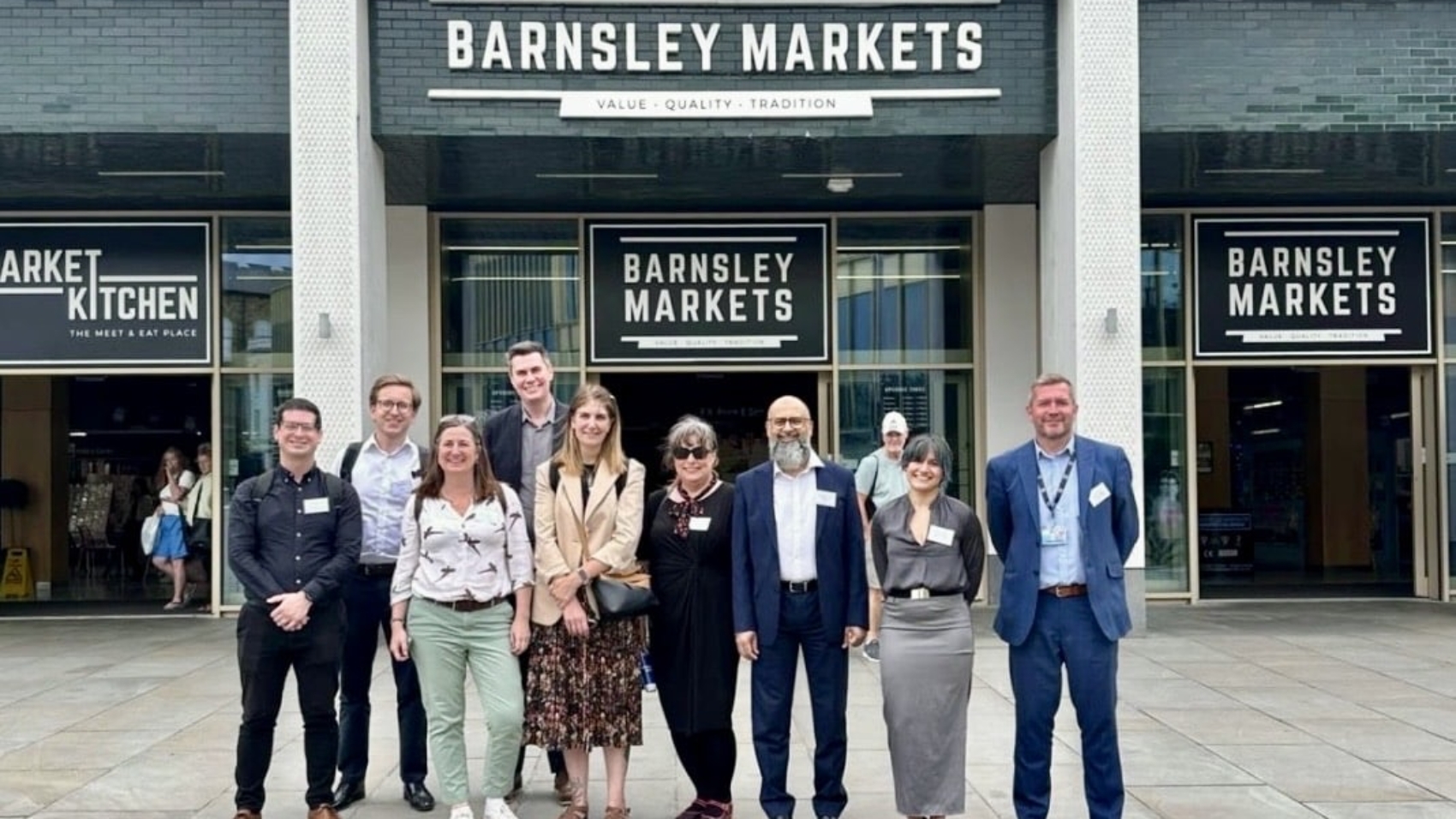
To support the inquiry, parliamentarians and sector leaders recently undertook a visit to Barnsley Market Visit, which has been identified as a national case study of market-led regeneration. The visit examined how Barnsley Market and the wider Glass Works development have acted as catalysts for economic renewal, while also supporting health services, community engagement and local growth ambitions.

The APPMG has agreed that Barnsley will form a central part of a wider NABMA report examining how markets contribute to regeneration, public health, wellbeing and place-making objectives. Findings from the inquiry will be presented to the Ministry of Housing, Communities and Local Government and shared with relevant Integrated Care Boards to help inform future policy development and explore funding opportunities.

The work sits alongside broader NABMA engagement with Government on the development of the High Street Strategy. Recent correspondence and meetings between NABMA and MHCLG officials have reinforced the case for markets to be recognised as essential components of future high street policy, particularly in relation to devolution, community wealth building, local growth and place leadership.

Julia Buckley MP, the APPMG Chair also confirmed that representations will be made directly to Ministers to ensure that the findings from the inquiry are considered as part of the Government’s ongoing work on high street renewal. Members welcomed this commitment and agreed that NABMA should continue to play a leading role in shaping national policy affecting markets and town centres.

Strong partnership working emerged as another key message from the discussion. Continued collaboration between NABMA, NMTF, IPM, parliamentarians, local authorities and government departments was recognised as essential if markets are to secure their rightful place within future regeneration programmes and policy frameworks.

Speaking after the meeting, David Catterall said:
“Markets are no longer simply places to shop. Across the country they are becoming catalysts for regeneration, engines of local economic growth, centres of community life and increasingly important locations for public services and wellbeing initiatives. The evidence we are gathering shows that where markets are invested in, communities benefit. This inquiry will help ensure that markets are recognised as a key part of the solution to the challenges facing our high streets and town centres.” The APPMG mini-inquiry will continue over the coming months, with NABMA reporting its findings and recommendations at a future meeting of the group and using the evidence gathered to influence the Government’s future High Street Strategy.

APPMG

All Party Parliamentary Markets Group – Notice of Meeting

The next meeting of the APPMG is scheduled for

Wednesday 25 October 2023 at 15.00 in Room O at Portcullis House, Westminster.

AGENDA

  1. Welcome
    To receive a welcome from the Chairman, Simon Baynes MP
  2. Apologies
  1.  Minutes
    To confirm minutes of a meeting held on 18 July 2023
  2. Community and Campaign
    Leeds Kirkgate Market Team, as a leading operator and market award winner will provide a brief presentation on the changing role and growing influence of markets within their community.This will then link to a review of progress with the #MarketsFirst Campaign and a discussion around the support that Westminster can offer towards the five Campaign priorities.
  3. APPMG
    To consider the work programme for the Group for 2024.
  4. Next Meeting
    To consider dates for 2024 meetings for diary purposes.